[PODCAST] The Cancer Episode with Sculptor John Powers
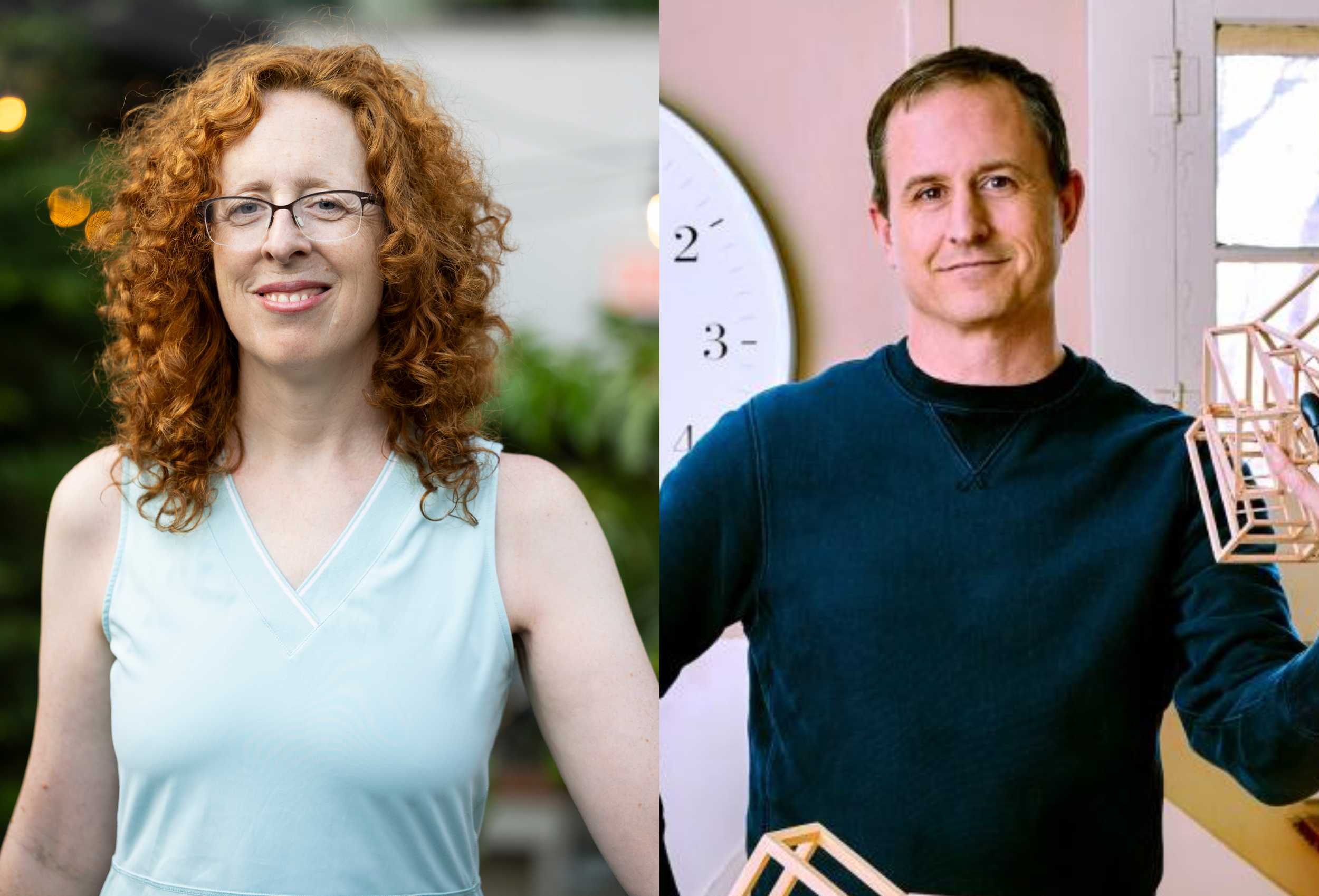
Left Paddy Johnson, Right John Powers
In this podcast we’re talking about how health events affect the lives of artists. Sculptor John Powers joins me as we share our experiences - his traumatic hand injury and subsequent cancer diagnosis, and my own recent double mastectomy.
We dig into the specific challenges artists face when medical crises threaten the tools of our trade, how we navigate the US healthcare system, and the mental strategies that help us maintain morale when everything feels out of control. We also explore the practical realities: phantom limb pain, nerve regeneration, the importance of finding the right surgeon, and how artistic skills - like explaining complex ideas and self-entertaining in solitude - translate surprisingly well to being a patient.
Medical crises are one of the top reasons artists in our community need to step back from their work, yet we rarely discuss how to navigate them. This podcast fills that need.
Relevant Links:
Podcast Episode 93:
You are listening to the Art Problems Podcast, episode 93. I'm your host, Paddy Johnson. This is the podcast where we talk about how to get more shows, grants, and residencies. This is our cancer episode.
As some of you may have noticed, I took this summer off. I did the same thing last year and planned to do it again this year, but what I did not plan for was a diagnosis of breast cancer and a sudden surgery that happened so fast I didn’t even have time to announce the break.
This week I sit down with John Powers to discuss his medical journey, which includes losing several fingers in a studio accident and a prostate cancer diagnosis, as well as my own experience that resulted in a double mastectomy.
Before we begin, I want you to know that I am fine. I feel incredibly lucky to be able to share this story, and I hope that our experiences help anyone struggling with healthcare issues. You are not alone.
John, welcome to the show.
John Powers: Thank you, Paddy. Nice to be here.
Paddy Johnson: It’s good to see you again, even though we’re talking about a heavier subject. I wanted to talk about how artists navigate aging, mortality, and illness, and how we move through the medical system.
You’ve been very open about your experiences, from losing your thumb to dealing with prostate cancer. I’ve had my own unexpected medical experience this summer with a double mastectomy, and I’d love for you to talk about your journey.
John Powers: I didn’t have much experience with hospitals before my accident. I opened up publicly because my instinct after the accident was to make a joke on social media. I posted a photo of my bloody boots in an ambulance with the caption “Dang it.”
The accident was severe. I lost my thumb down to the knuckle, lost my ring finger, nearly lost my middle finger, and severely injured my index finger. I was alone when it happened, and if I had passed out, I wouldn’t have survived.
When the ambulance arrived, it broke down, and I sat there for nearly an hour. That’s when I posted the joke. In hindsight, it overwhelmed my wife and confused people about the severity of the situation.
Doctors tried for over seven hours to save my thumb. I told them I was an artist and needed my hand. They tried everything they could, and I’m deeply grateful.
I spent six days in the hospital. I kept the TV off, focused on my morale, and understood that maintaining my mental state was critical to survival and recovery.
Paddy Johnson: I had a similar experience. I had to work very hard not to second-guess what felt like a radical decision. When I woke up after surgery, my first thought was relief. I knew I’d made the right choice.
John Powers: After surgery, I was alone in the dark and my thoughts turned cruel. I recognized my inner dialogue and consciously told myself to be gentle. That moment changed everything for me.
I learned to command my mind toward kindness, the same way I trained my dog. That practice has stayed with me ever since.
Paddy Johnson: I also had to manage anger at my body and make decisions quickly to prevent spiraling. I limited the amount of information I took in and focused on my own path.
I was extremely lucky. The quality of care I received was extraordinary, and my experience was far more positive than I ever imagined possible.
John Powers: Being inside the medical system means surrendering control. The challenge is finding healthy ways to reclaim agency. For me, that meant understanding everything I was asked to do.
I chose my surgeon carefully. I needed someone who understood me as an artist and as a human being. When I found that partnership, it changed everything.
Prosthetics became part of my recovery. I rejected toe-to-hand surgery and instead embraced a mechanical prosthetic. It restored both function and dignity.
I’m more comfortable with the prosthetic on than off. It’s like wearing a bra: supportive, useful, and a relief to remove at the end of the day.
Paddy Johnson: That resonates. I had to consider how much my body was tied to my identity. These things matter more than we often realize.
John Powers: Artists have unique tools. We’re trained to explain ourselves, to describe complex experiences. That skill can save your life as a patient.
I had cancer after the accident. Prostate cancer. It forced lifestyle changes not because I thought they would cure me, but because I needed some control.
I quit alcohol, reduced sugar, and changed my diet. Not out of fear, but so my future self could say I did everything I could.
Paddy Johnson: For me, language was part of control. I avoided the word “cancer” at first. Later, after recovery, I wanted to share everything. Both were valid.
One thing I want artists to hear is that medical interruptions are common. They are one of the top reasons people step away from their practice, and we don’t talk about it enough.
John Powers: Artists are well-equipped to advocate for themselves. You know how you feel. That information matters. Don’t give up.
Paddy Johnson: John, thank you for sharing your story so openly. It’s been a real gift.
John Powers: Thank you for the chance to talk about it.
Paddy