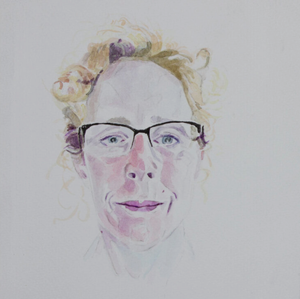
[PODCAST] Taxes for Humans: A Conversation with Hannah Cole
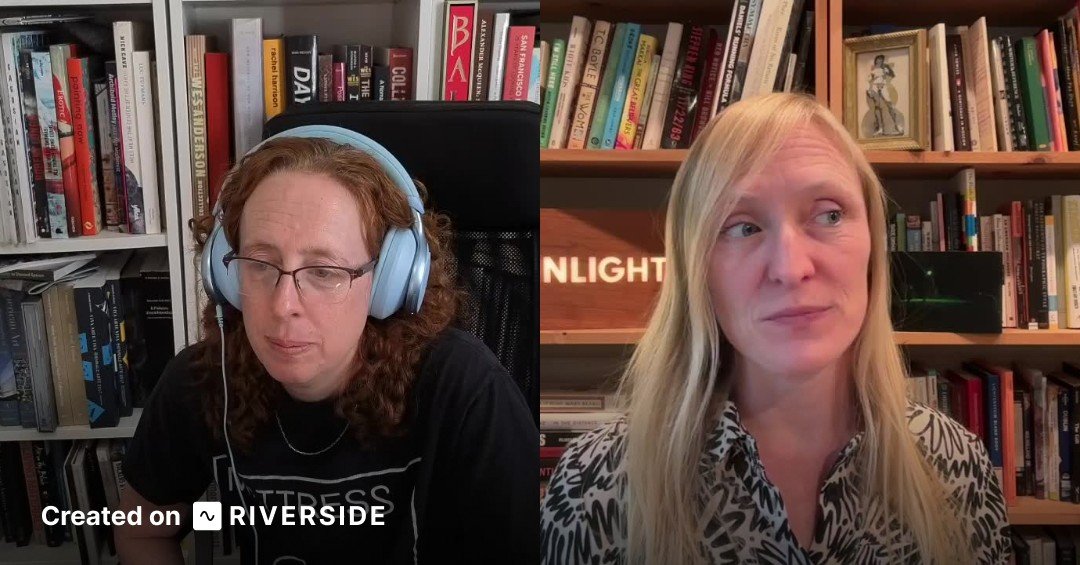
Artist and accountant Hannah Cole talks about her new book "Taxes for Humans"—your not-boring guide to taxation for self-employed artists. We discuss why tax education is deliberately kept from us, how to fix a messy tax situation without shame, and Hannah's secret agenda to turn artists into activists.
Plus: tax-advantaged accounts, disaster relief benefits, and why it's worth investing in your professional development before the year ends.
Related links:
Taxes for Humans
Podcast Episode 102:
You are listening to The Art Problems Podcast, episode 102. I'm your host, Paddy Johnson. This is the podcast where we talk about how to get more shows, grants and residencies. Today on the podcast, I'm speaking with artist, accountant, and founder of Sunlight Tax, Hannah Cole, about her new book, taxes for Humans.
Hannah's book is a rare thing. A tax guide that's actually interesting to read. It's written specifically for self-employed creative people who never got a tax education in school, and nobody gets an education in taxes in school. So that's pretty much everyone. What makes this book different from other tax books is that Hannah explains not just the how, but the why behind our tax system.
Giving you the context you need to actually understand what you're doing. Just like you need context to understand contemporary art, you need context to understand taxes. And Hannah's background as an artist is what makes this book engaging and even funny. Instead of dry and intimidating, we talk about why taxes don't have to be boring.
How the book addresses the judgment and shame so many artists feel around money and Hannah's secret agenda to turn passionate, creative people into better activists. We also dig into some surprising ways that taxes can actually give back to you from tax advantage retirement accounts to disaster relief benefits.
Speaking of tax deductions, it's December, which means it's the perfect time to invest in your professional development. Hannah's book is a business expense and so is the network membership. Both are fully tax deductible, so you can set yourself up for success in 2026 while lowering your tax bill for 2025.
If you've ever felt lost, judged, or overwhelmed by your taxes, this conversation is for you. All right. Let's get into it. Hannah. Nicole, welcome to the show.
Hannah Cole: Oh my gosh. Thanks Patty for having me. So good to see you.
Paddy Johnson: Yeah. So we're here to talk about your new book, taxes for Humans, which is available for everyone. It's in bookstores now. Can you tell me a little bit about the book? Who is it for? What is it? Just give me a broad overview for people who might be interested in something like this.
Hannah Cole: Sure. Well the subtitle of the book is Simplify Your Taxes and Change the World When You're Self-Employed. So I hope that you can see that there's a bit of a civic angle there because I kind of feel people like us. Make great activists. Mm. So that's definitely a secret project inside the book, but really what the book is, is like the tax guide that I wish I had had when I was coming out of art school. It's the no judgment, no shame. You didn't learn this in school though, you wish you had guide. That can just be a reference for you because there's a whole section in it about called the fix, which is just about fixing a messed up tax situation.
But it also is a guide that helps you just do your taxes. So it's got sort of an understanding and then a like how to do the actual forms and then it's got some next level stuff, like how to level up and start using. Tax advantaged accounts to make things better and put that oxygen mask of financial safety on yourself, which of course, like we're, we're, you know, that artists need that. I know personally we're gonna come back to that term tax advantaged accounts because I don't actually know what that means.
Hannah Cole: Sure, that is fine.
Paddy Johnson: We'll put a pin on that. Now, is there anything. Is there anything that this book doesn't cover that somebody might think it covers?
Hannah Cole: I kind of think of it like the reverse. It covers some stuff you wouldn't expect. Um Oh, okay. I mean, it is definitely geared towards people who are self-employed, and so that is actually beyond just artists. I am an artist and so obviously a lot of the stories are gonna center around my own experiences and artists who I've worked with, but it's really for anybody. Whether it's like an Uber driver or a jewelry maker or a anybody who's in a self-employed gig economy type of world.
Paddy Johnson: And can you tell us what this book looks like? And I, I mean, there's all, there's the cover itself, which I think we, we've talked about off podcast, which I think that covers are always a challenge to figure out. But I'm also curious, like inside the book, I know you have some like sort of funny pictures and like little asides and things like that. How does that look in the form of a book?
Hannah Cole: Yeah, so part of the structure of the book is there's a, there's a dominatrix character, which really, it's not like it's a X-rated book or anything, but it's just like, I was thinking like what is the most. Palatable way to give the sort of tough side of taxes. 'cause there are deadlines. There are penalties. And I was like, well, a dominatrix might be at least a little sexy as you talk about punishment. So she's pretty gentle, but it's just a little cartoony, dominatrix, Hey, you gotta do this and this is why.
There's also chapter summaries because I real and the dominatrix and the chapter summaries to me the, I'm structuring the book so that if you buy this book on April 10th, I mean, you're gonna get more out of it if you buy it on January 1st, but if you buy it on April 10th that I want you to be able to still use it and skip to the chapter summaries. Skip to the like, here's how to go fast parts. But there's also these like. Yeah, there's also these asides in it that are like sunlight. 'cause I think of my business as like 95% sunlight and 5% dom.
Paddy Johnson: That's really interesting that you have that breakdown figured out.
Hannah Cole: I think that's why the idea came to me. 'cause when I was running a tax practice, there's a lot of handholding, there's a lot of gentleness, a lot of like judgment free attitude. But in the end, the deadline is real. You know, and so like there's just this little edge to the domination. It's like, okay, and now it's time. You gotta get this in it's time.
Paddy Johnson: I actually love that in the book you have a line that's just, I, I don't remember exactly how it's phrased, you phrased it brilliantly, but it's just like the IRS. Really likes deadlines, so I, I definitely appreciated that. I, for some reason, I sort of imagined, and this, I, I guess because it's just the context that I have for certain types of asides was like if, have you ever looked at the Generation X book by Douglas Copeland?
Hannah Cole: Oh, no.
Paddy Johnson: So. He wrote this like 20 plus years ago now, but Generation X tells this story of people who are. Of Generation X at that time, relatively young, but stuck in like desk cubicle jobs and things like that, which he names like veal fattening pens. I think. Did he have a big article in the Times or there was like a review about it? 'cause I think I did hear about it through that.
Hannah Cole: It was a, it was sort of a phenomenon, but he, I just, what I think an aside is in. A book now is defined by that book because they were all things in the margin. So there was the main text, but often I would just read what was in the, in the margins because it was, sometimes, it was more interesting than the story itself.
Paddy Johnson: Well, I, there's, you probably noticed there's some really opinionated footnotes in my book.
Hannah Cole: Yes. And that's, that's kind of where I was going with this, is that even though it's a different type of book, it is completely nonfiction, but, but I, that is the sort of visual structure that I imagined for it. Yeah. Now, one of the things that, you know, I wanted to. Just to ask you about or start talking about was the parts of the book that kind of surprised me, and this in some ways. This will sound so patently obvious because the book is called Taxes for Humans. But I still kind of assumed, and don't take this the wrong way, Hannah, I still kind of assumed it would be boring, and it's okay to assume a textbook would be boring, but I hope it's not.
Paddy Johnson: I love everything you do, Hannah, but I will confess that I don't love taxes. Yeah. So I was really surprised by the fact that your book Taxes for Humans wasn't boring. I think I assumed that it would be because I've purchased those four dummies books, you know, nonprofits for Dummies, computers for Dummies, et cetera, which promise. That they'll teach people who are quote unquote bad at those subjects, but are often too boring to actually deliver on that promise.
You are nerdy about this subject in a way that makes this much more than just a how to book. So in your book, you note that there's no tax education in this country, which I think a lot of us don't even notice, even though it's foundational to what we do. So it's just crazy. I mean, we have to do it more than we have to vote and Absolutely.
Hannah Cole: And also like. You're preyed upon because you don't know it. Like it's Yes, it's even worse. Oh my God, it's so true if how it all worked. Yeah. And if you knew how it all worked and you had no fear, then these big tax companies that I'm not gonna name, but we all know who they are. They all, their marketing method is like, Ooh, this is so scary. It's so complicated. You could not possibly understand this. Just pay us. We'll do it for you. Right? Like I, I am literally trying to bypass, I, uh, it's my goal for those companies to hate me and want this book. Dead because this book, oh, I love it. I love it. I love it. This book is your path around them, right?
Like I, I feel like that is against our civic interest and I just want people to be able to know how it works and Yeah. I mean, this is art school at work here, right? Like this is the art school brain. Like let's break down the system, break down the structure. Like I can't help, oh, that's an artist as I write the book. So that's in there.
Paddy Johnson: That is, that is so true. I have called this book A Hope Machine, and this, this is something that I, I, for everybody here, you, you may see my name on the book because I blurbed the book, but I wondered if you could talk to me a little bit just a, about that. I, I think that this, everything we've talked about thus far reinforces that. Phrasing and that label to me anyway. And I know it resonated with you too, and I just wanna know why.
Hannah Cole: Yeah. So much. And first of all, thank you for saying that. I'm glad you felt it. I think like even the name of my company, sunlight is hopeful. It's, it's just part, I think it's part of my core values is I just think like things might be bleak and things maybe are bleak and things have actually been bleak or in the past. We're not the first humans to experience terrible government and terrible prospects, but I just think there's, there's nothing without hope. I mean, that, that really is, yeah, as long as I have a, well, what can I do at the end? Then I feel like, okay, well there's a path, right? So yeah.
That's, it's so important to me, like, especially as I'm going to critique the structures that I say, and here's what we can do about it. So like one of the things that. I mean, it's like my secret agenda. I have two secret agendas in this book. One is to get people to save more money for themselves, but the second secret agenda is especially because who this book is geared for is people who are really traditionally underpaid. Partly because we're so passionate about the work we do, and that might be artists.
We all know that's true, right? We all, yeah, we can see that. But it's also people who like do consulting work for nonprofits and have like a vision or like a Hispanic first generation woman living here who like sees a problem for a, for Spanish speakers in this, you know, like English dominant environment and it like creates a little business that is built to help her community.
Like people like that. We tend to be. Underpaid. And so I just, I feel like that passion, it has another side, which is a superpower, which is like, we know that it's about more than money, and I am not gonna write this book without trying to harness that power. Because I think when we understand. What a fair tax law looks like.
We, we are naturally positioned as advocates, as people who are passionate about the work we do, passionate about changing our communities. And when you understand that the language you use to talk about taxes is actually being programmed in for you by your corporate overlords who want you to have a certain framework as you think about taxes, that they're always terrible.
Well, that's not true if you're. Benefiting from Medicaid or Medicare or you know, like most people in the lower and middle class benefit from taxes, we actually get more from taxes, get more back than we give into them. Well, the wealthy don't and they really wanna cut that. They don't like that. And so it's a bad look for billionaires to be like, Hey, don't tax my corporate jet.
But I think, you know what? I think we should. Yeah. So I just feel like harness, yeah. Harnessing that energy just feels absolutely. Like the thing, the opportunity that's just lying there when you educate people about taxes, like, okay, and we could use these words instead of these words, and that would reframe it away from that awful vision of billionaires to the one that's more positive towards our community.
And then not only that, like fund the IRS, which to give away one of my chapters as an idea in the book.
Paddy Johnson: I feel like that should be a mandate. Like it shouldn't have to be an idea.
Hannah Cole: I know, I know. It's so, it's so bananas. I mean, just to, just to touch on that since I, since I'm like dropping that, please. You know, training the, if you start to think about how we're being trained to think about taxes, like one of the ways that a billionaire can get somebody like us who it's in our interest to have strong public schools and well paved roads, how can they make it.
Sort of feel to us like we should say. Yeah, cut the billionaire's taxes. I want that. So they do things like, say, paint the IRS, like a boogeyman. And so when the IRS is a boogeyman, the IRS is the tax collector. Well, tax collection from you and me is really easy. There are these automated letters. That they send out because you and I have sort of fill in the blank type taxes.
It's very black and white. But when you are in that 9% of taxpayers who itemize, by the way, just for everybody listening, itemizing is totally different from your business deductions. That's not itemizing just because some people are gonna hear that and be confused also. That's in the book. Yeah, it's definitely, but itemizing is something that basically well-heeled taxpayers do.
The top 9%. And once you're in that particular slice of the tax code, now there's actually tax decisions and, and like decision making and judgements. And to go up against somebody who is a billionaire or multi multimillionaire, you ha the IRS has to face their army of tax accountants and lawyers, right?
Hmm. And so it's very expensive to audit. Bill Gates, right? Because he's gonna fight you with a lot of resources. And so those, you know, statistics are pretty clear that it works like it's worth the money because you get, for every dollar you give to the IRS to do that kind of tax collection, you get $12 back in the US Treasury.
But the billionaires don't like it very much. So if you underfund the IRS, they lose the ability to go after tax sheets, wealthy tax sheets, and the only people they can afford to audit are the middle class or the regular people. That's right. 'cause it costs a postage stamp to audit us. So actually cutting the IRS budget makes our audits go up.
Not down, but what it, but we think, we dunno that we don't know that. So we say, yeah, I hate the IRS. We like take on this thinking like, yeah, I hate the IRS. Yeah. Screw those guys. Yeah. Cut their budget as though it's good for us and it's not right. It's awful. It's awful. But you know, there's a, you know what, now we know.
Hannah Cole: There's a solution F Fully fund, fully fund the IRS and then first of all, and then also, not only do they then go after wealthy tax sheets, but they also pick up the phone when you call them when you need help.
Paddy Johnson: I actually love that about the IRS because as far as bill collection goes, they actually are the nicest people I've ever talked to when it comes to that. Truly, truly. And you and I both know this. Yes. I'm saying that 'cause I know it, I know it. You know, before, like part of this story of this book is like I'm, I'm not coming from a superior position here. Like I've screwed everything up. I have had dealings with the IRS and so going back to school. Is like how I was trying to help everybody not have to suffer the misery that I have, so, yeah.
Paddy Johnson: Yeah. Well, and that's why it's so good that this book exists, and this book also comes with a workbook. So talk to me about this, because this. I don't know. There, there was a, I'm gonna date myself so badly right now, but I remember when you could get books and they were like nonfiction books that are about business, and they would come with CDs that you could put into your computer, like they'd have various things on them. How does the workbook work?
Hannah Cole: Yeah, so the workbook is additional to the book, but it's got a lower word count, so it's not really it basically, the simple way to think of it is the book is the teacher, the workbook is the coach. Got it. The book is really like really helping you understand your taxes, the context of your taxes, how to set up those systems that will make them easier every year, and how to actually do your taxes, and then sort of some next level stuff.
The workbook is actually kind of like. You've already read the book now, what's blocking you from implementing it? And it's mindset exercises that are like, okay, so where is this fear coming from that you're experiencing? Let's talk about like what, what are the blockers that if you were to kind of journal through them, you could start to make some movement towards better savings for yourself, better systems for yourself.
And the workbook also has. A tax organizer. It's actually about a third of the workbook is just the step-by-step actual questions that you need to have answered in order to do your taxes. So effectively, if you go through and answer every question in the workbook, your taxes are almost done. So you just take that info and plug it into, you know, IRS, free file TurboTax.
Or you can hand it to your accountant and Patty because. I, if I may say that you were a former tax client of mine. Yeah. And had a tax practice. This is based on that organizer that you have experienced from me. It's a more fleshed out version, but that organizer that I gave to all my clients was like one of my big work projects every year is like really making it understandable.
That's, you know, so you, you have kind of experienced what the feeling of that organizer is.
Paddy Johnson: I mean, that organizer is incredible and I'll just. Tell people that that was my experience with it, pre fully optimized Hannah Cole version when I took it. I think it's super simple. Super easy to follow. Now I do wonder, can you just explain how the workbook is delivered?
Hannah Cole: Yeah, so I mean, it's. It's in print. Eventually there will be an ebook version. I'm not sure it's out at the time that this podcast comes out. I mean, the plans are that there's an ebook of both, but I, I actually personally would probably prefer the physical workbook because, you know, you can write in it. I mean, it's, it's built with space for the prompts and also for the organizer.
Now you might actually, it's written in a pretty evergreen way, and you could actually just photocopy. The organizer and keep using it each year. You would just, and it even I, this is one of the things that I had to address with the book. 'cause I was like, I, I really am not in this to try to resell this book every year. I want people to have a resource that they can keep and that they can Yeah. I'm actually saying this is what's gonna change every year. Right. These little cost of living adjustments, inflation adjustments, they will go up. But here's the URL to the. Site where you can see what this year's rates are. So it always, the book is written in an evergreen way, including that tax organizer.
And it says like, this is the, this is the internet search you need to do at the beginning of the year as you sit down with this organizer to just look for tax changes for this year. But with, with that little search added on, here it is. And then also there is a QR code in the book that you can go to my website and download an updated one. So that's another. Way to get it.
Paddy Johnson: Oh, that's fantastic. Super easy. Yeah. So I wanna. Circle back to something that's come up a couple of times already, but I wanted to dig into it a little bit more, which is this thing that I think a lot of us, pretty much every artist has experienced, which is maybe feeling judged or simply worrying about feeling judged by an accountant.
And I just wanted to ask like, how does this book. Address that? Like how does, how is it different from that kind of familiar experience? Because so many of us, I mean, obviously the reason that a lot of us worry about feeling judged is that we'll have a lot of crazy line items on our expense list that might be like. Pizza or bubble gum or some really rarefied material that doesn't look like a material at all. I bought like a hundred hair strands from a duck or whatever for my totally right? Like at at a regular accountant is gonna be like, what is this? Right? And a lot of times when you know, your pizza might be like, this was the payment that I could afford.
To give the people who are helping me launch this exhibition and having to explain that feels like you might be wasting money, but mm-hmm. Actually, that's the best way too. Reward these super shoestring budgets, and so I just wondered how the book addresses these really human concerns. That end up as line items.
Hannah Cole: Yeah. Totally. I mean, when I first sat down as a professional artist and went to my dad's accountant. And I told this story in the book, but I sat down with him and like the first words out of his mouth, I had all these hopes, right? Because I knew, oh, this feels a little complicated. I'm starting to realize that I'm, I maybe need some like bookkeeping or I need, I don't know how I'm gonna do retirement when I'm on my own.
Like, how, how does this stuff work? Right? And the first words out of his mouth are, so when are you gonna get a real job? Huh? I know and I, I hope nobody listening has ever experienced that degree of disrespect in an accounting setting. But I bet you have. You know, I bet, I bet you have experienced it. Or you have a friend who had, and even if you haven't, you maybe don't wanna look, talk to an accountant.
'cause you're fearful you're gonna experience that. And it's so awful to be trying to get help, expensive help from somebody who just doesn't even respect what you do as. As legitimate. So really the, the most important thing to me in this book, I like had it in Sharpie next to me as I was reading the whole time, I mean, as I was writing the book is like, there is no judgment here.
This is like, this is, I, I know you're not coming to this with an extensive tax education. We're starting on the ground floor and you are welcome here. And Art is, I think you can feel Patty, and please confirm if this is true, but like. It's, it's coming from a place of like, your work is important. Your work is so important that I want you to protect it, and I want you to have the money to really power it in the way it deserves.
Because I've felt that judgment and it was so hampering and it actually put a chip on my shoulder for years that was really hard to work out of.
Paddy Johnson: Hmm. Well I'm really glad that you did work out of it. And if there's one silver lining here is it feels like that particular experience led you to do what you do, and that is in that plus for a lot of people. So what is different about your approach?
Hannah Cole: I mean, I think a lot of it is that very thing, and I say this, you know, I do a lot of teaching. This book is teaching, and the thing that I really like to leave people with every time is just kind of like a rallying cry because. I am not myself a professional artist.
'cause I think it's frivolous or unimportant. In fact, I think it's the most important work that I could be doing. Mm-hmm. And I believe that the work that creative people like us are, are working on is the stuff that moves people, the stuff that changes the culture so that we have massive change. Who doesn't see that we need that right now.
Paddy Johnson: Yes.
Hannah Cole: And so to me, like empowering the people who are the change makers of our culture, the empathy muscle of our culture, that feels like the work that is needed, right? Like that is, yeah. Yeah. Absolutely. That is why I do this, because I, I never wanna hear, and I've heard too many times, I never wanna hear an artist say I was an artist.
I was doing this incredible work, but I quit because of money. This is a preventable tragedy, right? Mm. We don't, we don't need to be saying that. And so this book is really here because, 'cause I believe in what we do, you know, as artists, and I don't want anybody quitting 'cause of money.
Paddy Johnson: Yeah. And on that note, are there stories of artists, obviously we wanna protect the identity of people that you've done taxes for, but like mm-hmm. Of artists getting their taxes on track that you wanna share with us because I. I also think that one of the, I don't know if it's a misconception exactly, but I, I think it sort of is, there is this idea that like taxes won't actually make that much difference. Like, mm-hmm. You're just filling in forms, like how much can you actually do if you're not making tons of money?
And it would be helpful to get a sense of like what actually can change. Especially if you think nothing can.
Hannah Cole: Mm. Yeah. Well, for one thing, there are these, so you said, you said to put a pin in tax advantaged account. So here, I'll circle back to that one. There are these kinds of accounts that the US government sets up deliberately to encourage people like us to set aside money.
Savings to pay for things that are frankly expensive, that co, that are a lot of money. So the biggest one, of course is retirement, but also these, these accounts exist for healthcare and for education. And the reason, and again, like I talk about this in the book a lot, but the reason is not just charitable.
It's not just 'cause the government feels nice. They're doing it because it's in the interest of the US population and the US government. It's much cheaper for Americans to save enough money for themself to have a comfortable, safe retirement than for you to end up in a state run nursing home. Right. I used to volunteer in one, so I've actually seen the inside of those places.
But so you have these accounts. You know, an IRA is is one example, but there's actually others like a solo 401k or a SEP IRA. These are kinds of accounts that are set up with contribution limits each year that if you put money into them, that money becomes non-taxable, right? It's sheltered from taxation, so you actually get this big tax savings.
When you use those accounts and the whole, the sort of deal you're making when you put that money in is that you're putting that money on a high shelf for yourself. It's still your money, but it's your money for later. It's your money for this purpose, which is retirement or healthcare or education. And so using those accounts.
Can actually lower your taxes really substantially, meaning you save thousands of dollars each year, and that's money that either you can filter into those accounts very directly, or you can use to pay for a nicer studio or just basic security, right? So that's one way. I mean, another way I, I'm coming to you from Asheville, North Carolina.
There, you know, hurricane Helene destroyed my studio and the studios of many artists here, and taxes are a way that there is a benefit. When you have a loss from a federally declared disaster zone, you get to take that loss as subtracted against all your other income and you get a. Really big tax savings from it.
So I was talking to my friend, I'm gonna leave her anonymous, but I was talking to my friend whose studio was destroyed in Helene, and she normally would pay like between 18 and $25,000 in taxes every year. And because of losses that she was able to report on her taxes last year she paid about $500 in tax.
So just think about what a savings that is, like $20,000 of savings in a year. That of course, like this is the year she needs that help. So that is one of the ways that taxes really give back to you. And I think I am on this very, very uphill climb of trying to coach people in this country that taxes are not evil.
In fact, they can really be helpful and really to our benefit as a society and as individuals. And I'm going up against the lobbyists for the, the billionaires, which is not an easy project, but like frankly, taxes benefit us. They benefit the poor and the middle class. And billionaires don't like to pay into them because they have their own private security.
They don't really care if our police forces are good and ethical and well-paid and non-corrupt.
Paddy Johnson: So I'm really glad that we got the Tax Advantage account question answered because I didn't wanna forget about that and you came back to it naturally. I did wanna come back to the question of. Whether there were any stories of artists getting their taxes on track that you wanted to show or share with us, because I do think that it's always helpful to, for people to hear like other examples that might be like themselves.
Hannah Cole: Yeah, so there's a couple. There's a couple. I'd love to share. One, one short one that is in the book is just about. How much more you can do when you don't have the self-consciousness of feeling judged. I had a client, I'm for obvious reasons, I'm not gonna name this person. Sure. But he was enviable from an arts perspective like I was fangirling so hard.
This is a person who was in the Whitney Biennial and had had a retrospective at, I. Major museum just a hell of an artist. Right? But of course you don't see that you, you know, that's the part you would see on Instagram. And this artist needed, a lot of this person had back taxes. And back taxes are when you have multiple years of tax returns that are unfiled.
And what I have found. Is that when somebody gets into a situation where they have years of taxes that they haven't filed, it's usually 'cause something went terribly wrong in their life. Right? That's usually somebody who's really struggling. Hmm. Sometimes it's a divorce or an illness. It's usually something bad, right?
And yet that person tends to carry all this guilt about it, like they're terrible. And I'm afraid that a lot of accountants reinforce that idea with them. So this person, I was like, TA back taxes are actually some of my favorite. People to talk to because they're fixable, right? It's more emotional weight and it's actually not that hard.
So it's like, it's a situation where the emotion is the hard part and not the taxes. But this person, I just was like. Patient and gave, gave him grace for, you know, it was like, it was a, just a non blamey situation. It was like, Hey, we're gonna fix this. You, you're gonna be fine. We'll we'll do this. And he, after we got it in, he sent me a note and he said, Hey, I didn't tell you this at the time, but I had just gotten out of rehab.
I've been really, really struggling with addiction and I just didn't even know if I could tell anybody that. And if it got me into this hole with my taxes and we. Got out of it and I really needed that extra time that I asked for. And that you granted me. That was, that was because I, I, my apartment at the time was like a triggering an environment and I knew that if I had to like rush in there and do something that I found emotionally difficult, like go through my tax records that I was gonna use again.
And so it was like this sort of patience. Oh God. Wow. Yeah, it was just like, he was like, the fact that you kind of were just chill about it and didn't pressure me or make me feel judged it, it allowed me to get this fixed without using again, without going back on all my work and struggle. And so I just.
I think about that and that person all the time. Partly 'cause it's one of these people who you look at like a superstar in Mount Olympus. And to hear that story I was like, wow, the behind the scenes is so, so different from the public persona and this person really needed grace. It's just that was really important.
But even just from a, you know, a more. I don't know. Normal is not the word I wanna use, but just maybe a little more everyday scenario. Yeah. I had a, a client who is a musician and she did a lot of touring, like many musicians, right? She's traveling a lot, doing gigs in other states, and so she would miss her mail a lot.
Right. Like she didn't have, right. She's in like a roommate. She has the cheapest rent she can possibly have a lot of roommates, like her mail kind of gets lost sometimes. And so she was actually getting IRS notices and not, not not knowing, and you can picture that can get into a bad situation. So with her just, we sat down and I helped just give her the basics.
You know, she like kind of got I, I got her up to speed with like, okay, so you are gonna wanna. Do some simple bookkeeping, just like track your expenses using a separate bank account for your music expenses. And once you do that and get it set up on bookkeeping, this is all gonna become less mysterious and much easier.
And, uh, just that kind of key. Nobody had told her about that or about quarterly taxes and that, that had to get paid. And once she did, she's like, I just needed the information. Right. I didn't need a lecture, but I needed that information and I was missing it. And it's like. Not quite straightforward enough for just a tax repairer.
But as soon as she got that settled, she started actually tracking things and paying quarterly taxes. And so for the first time in her life, she stopped being behind on her taxes and she actually filed everything on time and she's like looking through her records and she's like, oh my gosh, I like know where everything is now. Right. You know, I, it is a big deal.
Paddy Johnson: I love both of those stories because. Particularly in the, the latter one. One of the things that it illustrates too, is just the different types of life that you can have as an artist and how it impacts even pretty basic things like getting your mail right. Mm-hmm. And I think in both cases, like some of the hurdles were related to things that feel very.
Ordinary, right? Like going to your apartment, doing these, getting your mail, taking care of these tasks. But when they are weighted, they become really big mountains. And so having somebody who's able to just like, let's just shrink this size of this thing a little bit so that we. Have a sense of what, what's actually involved, and then we can take care of it.
To me, that's just beautiful. I mean, the other thing I I, one of the things that guides our behavior is just the types of things that we like to do. So artists like to be in the studio, so they're gonna spend more time there. I think a lot of us don't like doing our taxes. Are much lower on the list of things that we enjoy doing.
I think about all these people who are in business and manage money for a living. They like it. Mm-hmm. You know, like, so taxes, doing something that is related to something you like is a lot easier than when it's doing something related to. To a task that you don't care for. You know?
Hannah Cole: Yeah. Yeah. And you know what? I'm gonna be really honest with you and say like, I don't like looking at spreadsheets and being all up in my records. Like I would rather be in the studio right the end of the week. And so I am not teaching this from the perspective of a person who's like, yeah, let's get in the spreadsheet. Let's do, let's do, this is gonna be real fun.
Yeah. Like, I'm gonna give you the perspective of somebody who frankly hates this. So you can get in and out as fast as you can. 'cause I know you have other things you'd rather be doing. It's not like we're I, I'm not, I'm not imagining you're gonna love taxes. Some people do. They're rare, but I do. I, I also think the reason that I'm good at teaching this stuff is because I've been so terrible at it, right?
If this all came naturally to me, how could I teach? Well, like I actually have had garbage taxes in my life and I know how shameful I have felt and how awful and judged, and I'm just here to be like. That was not helpful and I'm not gonna help people by piling that on top of what is already a stressful situation.
Like, I'm gonna just teach you what you need. Right.
Paddy Johnson: But I also think that, going back to something you said earlier, which is that you give people the larger context and that is something actually that artists are really used to like dealing with context. Mm-hmm. Like you not, it's not just that you make this. Simple and easy to understand. You put it in a language so that artists and creative people understand it because it, you give it conceptual weight. So it's more interesting and that's, I think that's the thing that. I, I hate to put it in such a bombastic way, but it's who I am. That is the thing that I find astonishing about this book.
It is not boring. To circle back to that, like that was the biggest surprise from start to finish and I. Absolutely love it. So for anybody who wants a not boring book on taxation for humans, where can they find this?
Hannah Cole: The book is in any bookstore that you like. My favorite bookstore is your local independent book seller. So whoever that is for you here in Asheville, it's Malaprops books who I love. You can get it at big online book places as well, but anywhere you would buy a book is where you can get taxes for humans. If you wanna go to my website, I have a link that lists rotates through a huge list of independent bookstores.
If you don't have one that you know or care about and you want to go indie, you can go to sunlight tax.com/book. I took a little extra effort to make that because. I'm contractually obligated to have a very large book retailer on my website as part of my publishing deal, but I also am the artist who's like, but let's try the indie.
Paddy Johnson: And I just wanna say for anybody who hears this and listens to this around the Christmas season, it is a great Christmas gift. You can put it your, your family stalking your friends, they all need it. You can leave little taxes for humans in your studios. Your friends studios, and I think they will really appreciate that.
Hannah Cole: I love that also to anybody who is just feeling pinched beyond all reason right now. And I know those people are out there and are listening. You can request a book at your library or your college library as well. That's another possibility.
Paddy Johnson: Fantastic. So there are all kinds of ways to get this, to get this book. I recommend purchasing it and purchase it. Purchasing another one for your friends, Hannah. Thank you so much for being a, a guest on the Art Problems Podcast again. Every time you're on, I learn something else and it's always like, there's just a little bit of thrill. So thank you,
Hannah Cole: Paddy. Thank you. I love the way that you don't pull your punches. Nothing about you has changed in that regard since I met you. And I just love, you're like, well, you know what? I thought it would be boring. And it's not. So thank you so much for, for reading it for Blurbing the book, for being a wonderful quote on the cover. And just thanks for being a friend and having me on the podcast.
Paddy Johnson: Anytime. All right. Bye-bye Bye.
Thank you for listening. If you like the show, please leave a review and share it with a friend. It really helps get that valuable information out to more artists just like you. You can find all of the names and the links that we reference in this conversation@berksshop.art slash podcast.
Paddy